
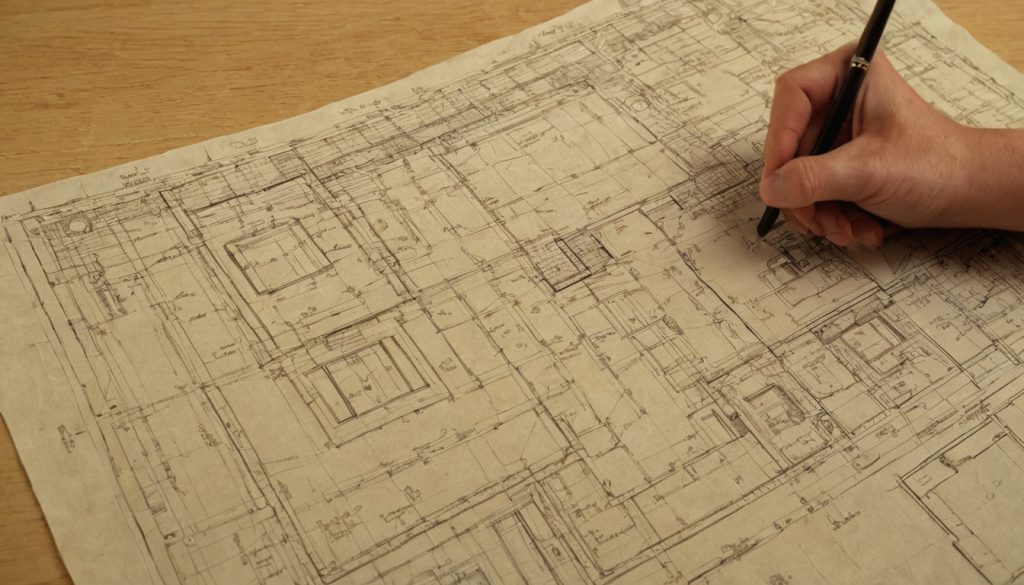
A buyer may hold beautiful house plans over a real survey and find the real question is not style, but fit: where does the driveway enter, where does the afternoon sun hit, where do drains run, and what part of the lot can legally be built on?
Ready-made house design plans can save time, but only after they survive the site, routine, budget, code, engineering, and license tests. Treat the plan like a proposal, not a product.
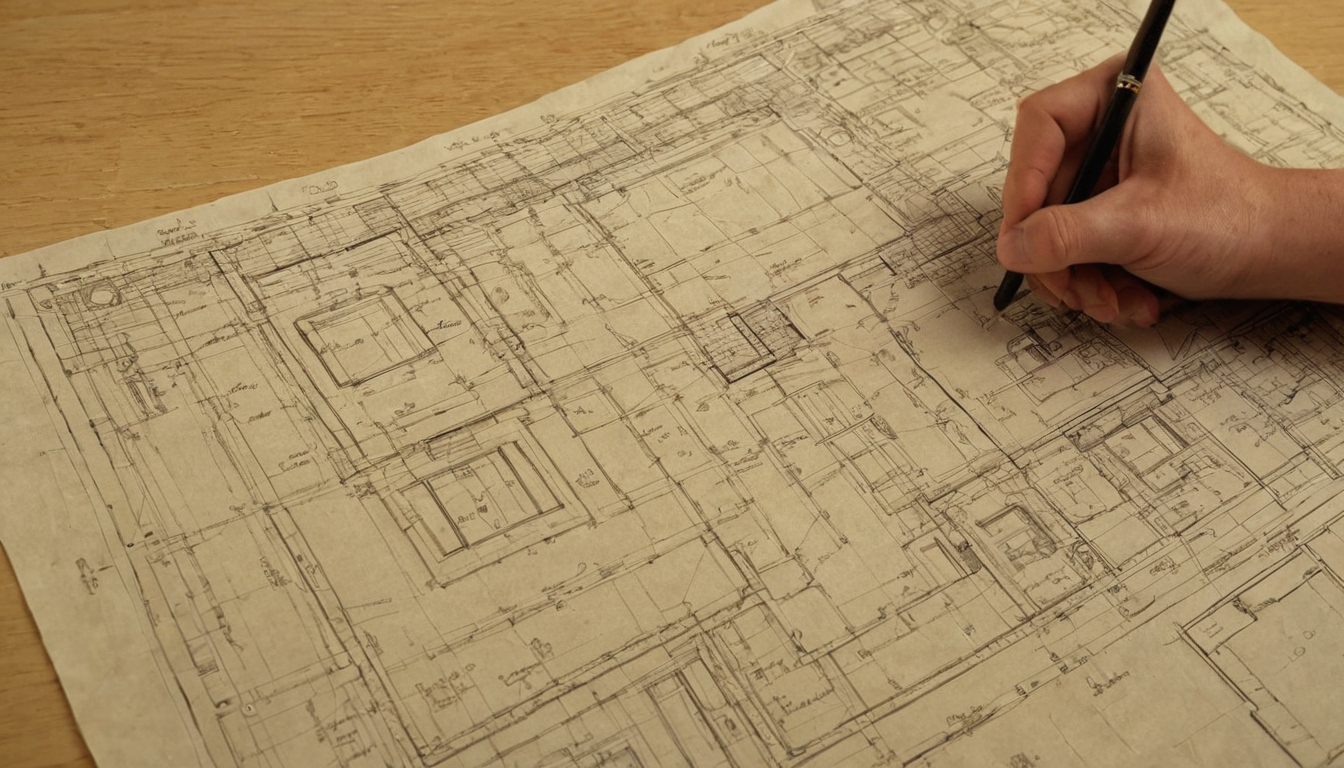
Buying House Plans: How to Test a Layout Before You Commit to Construction shown with practical context cues.
A house plan should be tested against the site before it is judged as a good design
A house plan is suitable only if its footprint, orientation, access, drainage, setbacks, utilities, views, and privacy work on the actual parcel.
Gross lot size can mislead a homeowner. A villa plan may look comfortable online, yet fail once setbacks, easements, stormwater routes, driveway access, and service connections are drawn on the survey.
Does the house plan footprint fit the lot after setbacks, easements, and driveway turning are deducted?
The first decision is not whether the architecture looks attractive. The first decision is whether the building envelope can accept the plan without squeezing rooms, moving stairs, or changing the roof. Ask for a boundary and topographic survey before treating any ready-made plan as a serious candidate.
- Plot the legal buildable area: mark setbacks, height limits, lot coverage, floor-area ratio rules, and estate design guidelines.
- Mark hidden restrictions: utility easements, drainage easements, rights of way, flood constraints, protected trees, shared access, and title restrictions.
- Test vehicle movement: confirm road frontage, driveway width, garage position, turning space, parking count, slope, and visibility.
- Check service connections: locate water, sewer or septic, electrical service, gas, stormwater discharge, meters, refuse collection, and maintenance access.
- Match the foundation assumption: confirm whether the plan expects a flat lot, sloped lot, basement, crawlspace, slab-on-grade, retaining wall, or split-level section.
A plan that barely fits on paper often becomes expensive in construction. Moving a garage, adding a basement, or forcing drainage into a narrow side yard can change structure, excavation, waterproofing, stairs, and engineering.
Does the house plan orientation place sun, shade, wind, and privacy in the right rooms?
Orientation decides whether the same floor plan feels calm or punishing. Large glass can work when it faces a shaded garden, but overheat a living room when rotated toward harsh afternoon sun. A bedroom wing can feel private on one lot and exposed on another.
Test orientation with the north point, local climate, sun path, prevailing wind, slope, and neighboring buildings. Outdoor terraces need the same test because shade, breeze, and privacy decide whether they get used.
Material and ventilation choices also start at the site test. The U.S. Environmental Protection Agency identifies common indoor sources of volatile organic compounds and recommends increasing ventilation when using products that emit VOCs indoors in its guidance on volatile organic compounds and indoor air quality. If the plan includes stone floors or counters, the Natural Stone Institute warns that abrasive cleaners can scratch natural stone surfaces in its stone care guidance.
Accessible exterior dining, work, or hobby areas need early dimensional thought. The 2010 ADA Standards set accessible dining and work surfaces at 28 to 34 inches above the finish floor or ground, a useful reference for counter heights, terrace level changes, and approach space.
A house plan should be walked through as a daily routine, not read as a room list
A house plan works when repeated movements are short, obvious, and not in conflict with privacy, wet areas, service access, or furniture.
Do the house design plans create clean circulation from entry, garage, kitchen, bedrooms, and outdoor spaces?
Mark routes before admiring room names. Use different colors for residents, guests, groceries, laundry, waste removal, service access, pets, and outdoor entertaining. A good route does not send a wet child through the formal living room, a guest past bedroom doors, or garbage through the main entry.
- Garage to kitchen: check doors, turns, level changes, pantry access, and drop zones.
- Main entry to powder room: guests should not cross private bedroom or laundry zones.
- Bedroom to laundry: a long route through public rooms becomes daily friction.
- Outdoor area to bathroom: pools, gardens, terraces, and barbecue areas need a practical wet-foot route.
- Service and waste paths: deliveries, bins, cleaning tools, and mechanical access should not interrupt dining or sleeping spaces.
Damp rooms need an extra check because circulation and moisture control meet at bathrooms, laundries, mudrooms, and pool entries. The U.S. Environmental Protection Agency says condensation and wet or damp spots should be fixed promptly to help prevent mold growth in homes in its mold and moisture guidance.
Do the house plans leave enough wall length, clearances, and storage for real furniture?
House plans often fail after furniture enters the drawing. Place actual beds, sofas, dining tables, wardrobes, desks, outdoor seating, luggage storage, and cleaning cupboards on the same scale as the plan. A room with three doors, a large window, and a television wall may have less usable wall length than its area suggests.
Furniture testing should include door swings, wardrobe doors, kitchen island movement, bathroom fixture access, stair landings, and dining-chair pullback.
The cost risk in house plans is usually hidden in roof shape, spans, structure, and wet-area placement
A house plan with the same floor area can cost much more if it has complex roofs, long unsupported spans, scattered bathrooms, many corners, tall glazing, balconies, or irregular facades.
Which features in the house plans should be flagged as likely cost multipliers?
The first cost scan should ignore finishes and look at geometry. A simple rectangle with a plain roof, short spans, and compact service runs usually gives the builder fewer unknowns than a plan broken into wings, projections, roof valleys, and special glazing.
| Visible plan feature | Cost exposure to test before purchase |
|---|---|
| Complex rooflines, dormers, parapets, skylights, many valleys | More framing labor, flashing, drainage detailing, waterproofing risk, and roof waste |
| Cantilevers, curved walls, large openings, double-height rooms | Heavier beams, special engineering, difficult formwork or framing, and tighter deflection control |
| Basements, retaining walls, steep-driveway entries | Excavation, drainage, waterproofing, soil risk, and foundation design beyond generic assumptions |
| Balconies, roof terraces, pools, extensive glazing | Higher waterproofing, guard, drainage, thermal, structural, and procurement risk |
| Scattered bathrooms and distant kitchens | Longer pipe runs, more penetrations, and more coordination between structure, ceilings, and shafts |
A builder or quantity surveyor should price the risk in the project region, not from the plan website’s sample budget.
Do the house plans stack wet areas and services in a buildable way?
Wet areas should read like a service spine, not decorative labels. Kitchens, bathrooms, laundry rooms, utility rooms, mechanical closets, and exterior drainage lines should sit close enough that supply pipes, waste lines, vents, ducts, and cleanouts can run without cutting through beams or dropping ceilings.
Two-story house design plans need a vertical check. A bathroom over a bathroom, laundry over a garage service zone, or kitchen near a utility wall gives the engineer and plumber a clear route. A bathroom floating over a living room can force thicker floors, soffits, acoustic treatment, and repair disruption.
Does the architectural design have a structural grid that a local engineer can rationalize?
A buildable architectural design has a visible load path: roof loads reach beams, beams reach columns or bearing walls, and those supports reach foundations that suit the soil. Irregular offsets, corner windows, long spans, and unsupported upper floors can turn a clean drawing into redesign.
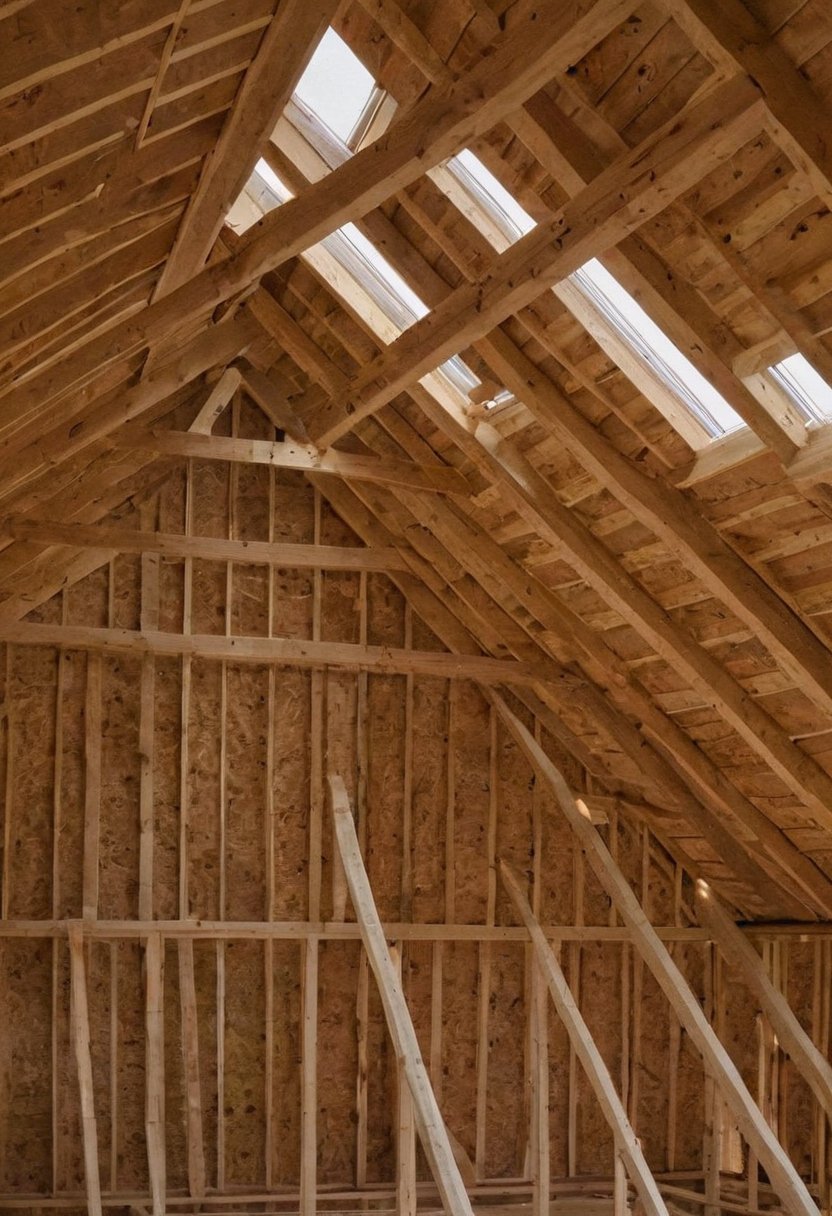
The cost risk in house plans is usually hidden in roof shape, spans, structure, and wet-area placement shown as an editorial planning reference.
The structural review should compare stock-plan assumptions with foundation type, geotechnical report, wind exposure, seismic zone, snow load where relevant, flood condition, and slope. Energy rules can also reduce flexibility: the Housing Affordability Institute explains that a prescriptive energy-code path requires builders to follow specified requirements without deviating for cost, material availability, or unique project characteristics under that path in its discussion of energy-code compliance.
Stairs can also affect feasibility in taller or attached projects. The Pew Charitable Trusts reports that virtually all modern U.S. building codes require two stairways in buildings above three stories, and that local rules, not plan marketing, control approval.
House plans must pass zoning, building code, climate, and energy checks before permit drawings begin
A ready-made house plan is not permit-ready until the local jurisdiction tests zoning, construction safety, climate response, fire separation, stairs, guardrails, ventilation, and energy performance against the adopted rules for that exact site.
What local code checks should a homeowner request before buying house plans?
Ask for a pre-purchase code and zoning screen, not a full permit review. Confirm which residential building code edition applies, which energy code applies, and what drawings the permit counter expects for architectural, structural, civil, mechanical, electrical, plumbing, drainage, and energy submissions.
| Check before purchase | What the reviewer should confirm | Why it can change the house plans |
|---|---|---|
| Zoning and land use | Setbacks, height, lot coverage, floor-area limits, parking, driveway access, easements, and use type. | May force a narrower footprint, different garage position, lower roof, or fewer enclosed square feet. |
| Building code | Fire separation, egress windows, alarms, garage separation, stairs, guards, handrails, landings, ventilation, and escape routes. | Building code governs construction and safety, while zoning governs land use, a distinction noted by The Pew Charitable Trusts. |
| Energy code | Insulation, window and door performance, walls, floors, foundations, ceilings, lighting, air leakage, ducts, ventilation, and HVAC assumptions. | The Housing Affordability Institute describes energy codes as model building codes that set minimum efficiency standards. |
| Compliance route | Whether the project must use a prescriptive path or may use a performance path. | Where allowed, performance compliance may permit tradeoffs if the home meets required efficiency levels. |
| Ventilation and lighting | Fresh-air rates, exhaust requirements, air-conditioning assumptions, and fixture efficiency. | The Housing Affordability Institute states that ASHRAE recommends minimum ventilation of 0.35 ACH and not less than 15 CFM per person. ENERGY STAR states that qualified LED lighting uses at least 75 percent less energy and lasts up to 25 times longer than incandescent lighting. |
Stair and guardrail notes deserve their own line item because small drawing errors become expensive field corrections. Ask the reviewer to mark stair width, riser height, tread depth, headroom, landing size, guard height, handrail continuity, and door swings before purchase; the same logic applies to stair and railing code details that affect plan approval.
Which stock-plan changes commonly trigger engineering or permit revisions?
Stock-plan edits look harmless because the floor plan is flat. Construction is not flat. Mirroring can reverse drainage, garage access, solar exposure, meter locations, and load paths. Widening a living room can increase beam spans. Moving a staircase can alter floor framing, headroom, and egress. Changing roof pitch can affect wind resistance, snow loading, attic ventilation, and facade height.
- Garage relocation: can change fire separation, driveway grading, structural openings, and service entry routes.
- Basement addition: can trigger foundation redesign, waterproofing, excavation, retaining walls, and stair revisions.
- Bathroom or kitchen relocation: can change plumbing stacks, exhaust routes, floor penetrations, and waterproofing.
- Facade or window changes: can affect energy compliance, privacy, emergency escape openings, and wall bracing.
- Accessory unit or duplex conversion: can change occupancy assumptions, fire separation, parking, meters, and exit requirements.
Small multifamily or attached-house ideas need extra caution. Pew reports that NFPA model codes allow some small apartment buildings up to four stories to use a single stairway, and that Vermont, Georgia, and Puerto Rico have adopted those NFPA rules.
Buying house plans online should include a license, drawing-scope, and modification-rights review
The safest purchase is one where the buyer knows exactly what files, rights, drawings, engineering, and support are included.
What should a buyer receive in a complete house plan package?
A complete package should include more than floor plans and exterior views. Ask for a drawing index before payment: site-plan assumptions, floor plans, foundation plan, roof plan, elevations, building sections, wall sections, stair details, schedules, fixture layouts, finish assumptions, and outline specifications.
Permit drawings also need the scale, annotations, dimensions, room labels, life-safety notes, and local submission format required by the jurisdiction. If the vendor supplies only PDFs, local professionals may need CAD, BIM, or editable files to coordinate structure, services, and revisions. Coordinated files can help explain why coordinated digital models can reveal plan conflicts, although software does not replace professional review.
Buying house plans online should include a license, drawing-scope, and modification-rights review shown with practical planning details.
Can a ready-made house plan be modified without copyright or coordination problems?
A ready-made plan can be modified only if the license allows the intended use. Check one-time build rights, resale restrictions, transferability, permitted edits, and whether a local drafter, architect, engineer, or builder may alter the files.
Engineering needs a separate check. Some stock plans include generic structural notes, while others exclude engineering or require local recalculation for wind, snow, seismic, soil, and foundation conditions. Confirm the vendor’s revision process, turnaround time, professional seal policy, refund rules, and support after purchase.
A house plan is worth buying only after a staged validation workflow reduces the major risks
The practical decision is not whether house plans look attractive; it is whether the layout survives review by the site, household, budget, code, engineer, and builder.
What red flags mean the house plans should be rejected before purchase?
- Reject house design plans that cannot fit setbacks, easements, parking, driveway slope, drainage paths, or height limits after the survey is overlaid.
- Reject a plan if the stair, garage, retaining wall, basement, roof, or balcony strategy depends on assumptions that no local engineer or builder will price confidently.
- Reject or redesign layouts with poor daily clearance, especially for aging-in-place goals. As a reference, the 2010 ADA Standards specify a 30 by 48 inch clear floor or ground space for wheelchair positioning.
When should the homeowner hire an architect, engineer, or builder before buying the plan?
Hire help before purchase when the lot slopes, the climate is severe, the jurisdiction has strict design review, the plan needs mirroring or widening, or the budget has little contingency. A short architect consultation, builder pre-estimate, quantity surveyor check, zoning review, survey, geotechnical report, or engineering review often costs far less than redesign after permit comments. For scope judgment, review when to involve a residential architect before buying plans and how a builder can test construction assumptions early.
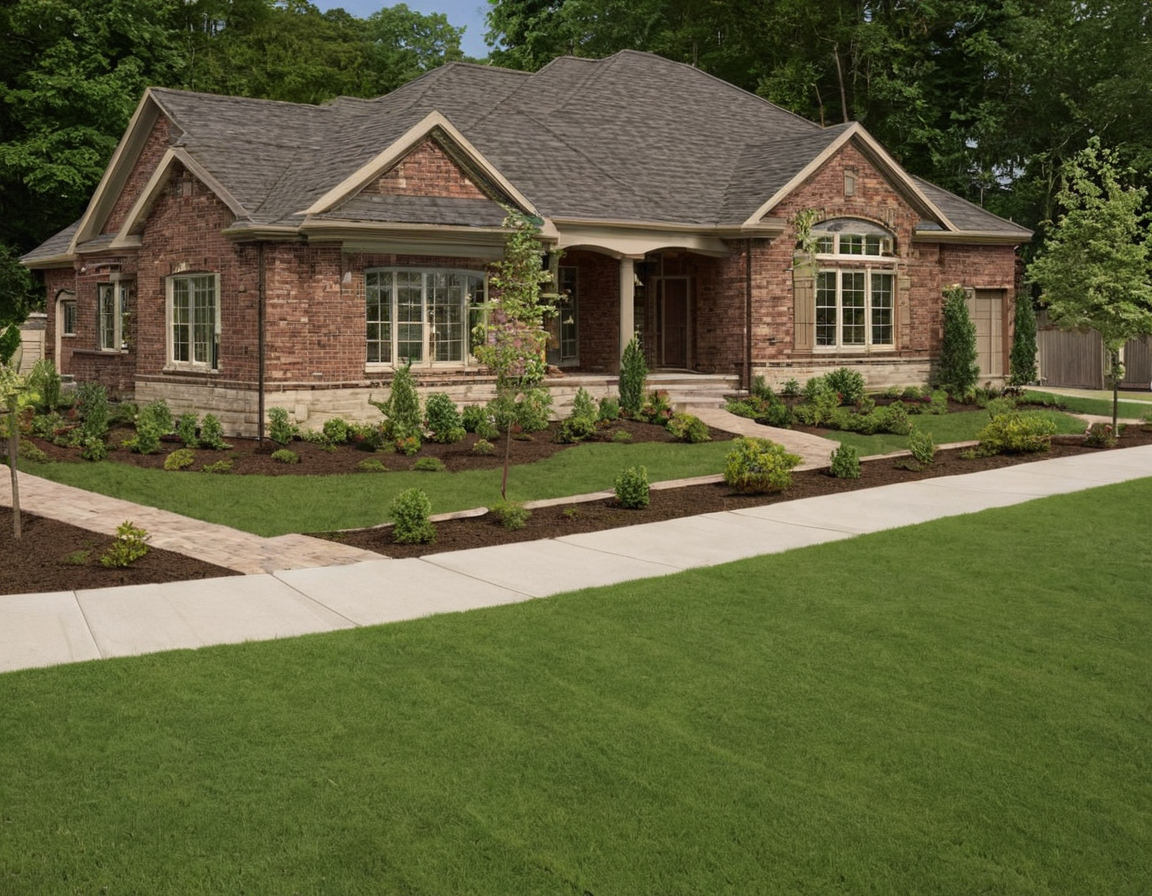
A house plan is worth buying only after a staged validation workflow reduces the major risks shown with practical context cues.
Can software or AI help test a floor plan without replacing professional architectural design review?
- Overlay the plan on the survey.
- Check zoning, access, drainage, and utilities.
- Walk daily routines and furniture clearances.
- Screen roof, structure, wet areas, and glazing for cost risk.
- Ask local professionals for go, adapt, custom design, or reject advice.
- Buy the plan only after the license, editable files, and modification rights are clear.
Software can help with scaled furniture, sun studies, 3D massing, and walkthroughs, but permit-ready architectural design still needs local code, structure, climate, and documentation review.
FAQ
Is buying house plans online a good idea if I have not purchased the land yet?
Buying before land purchase is risky. Shortlist plans, but do not commit until a real survey confirms setbacks, slope, access, utilities, orientation, drainage, and local approval constraints.
What tests should be done before building a house from ready-made plans?
Test site fit, daily circulation, furniture clearance, structural logic, wet-area stacking, roof complexity, zoning, building code, energy compliance, license terms, and local engineering requirements.
Is a fixed budget, such as $300,000, enough to build from stock house plans?
A fixed budget is meaningful only after local pricing. Square footage alone is not enough; roof shape, spans, foundation type, glazing, wet-area locations, labor rates, and code requirements can shift cost.
What are the biggest red flags when reviewing house design plans before construction?
The biggest red flags are poor site fit, excessive roof complexity, long spans without clear support, scattered bathrooms, weak storage, awkward circulation, unclear license rights, and missing local code review.
Can AI design a floor plan that is ready for permits and construction?
AI can help explore layouts, furniture, and options, but permit-ready house plans still need local architectural, structural, energy, drainage, and code documentation by qualified professionals.